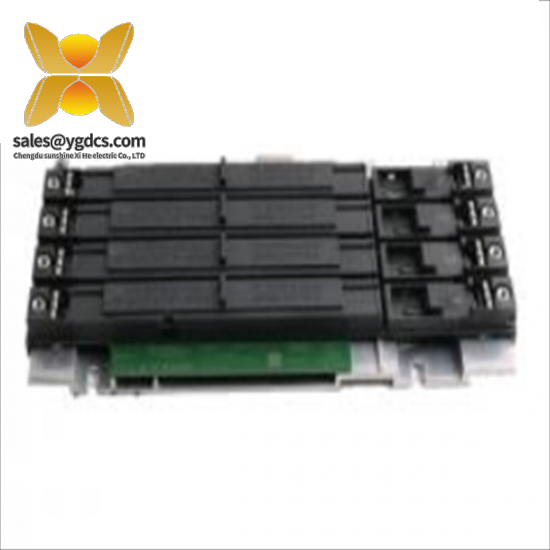
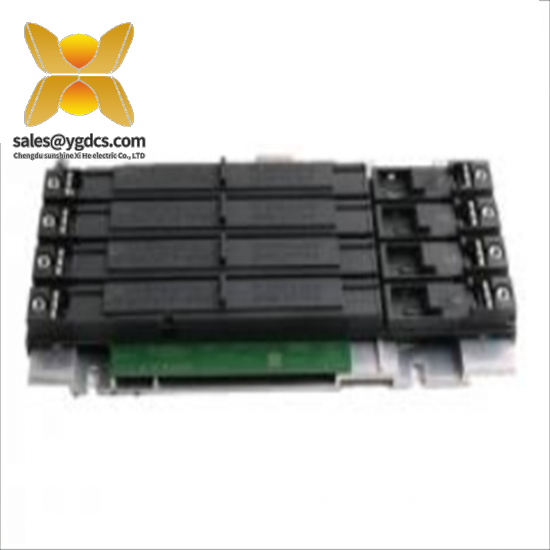


Model Number:39SAMCAN 16133-71/04
Brand:Siemens
Type:Standard Analog Module
Operating Voltage:DC 24V
Number of Channels:16
Signal Type:Analog Input
Accuracy:±0.1% of full scale
Response Time:≤ 1ms
Environmental Temperature Range:-25°C to +70°C
Reliability Rating:MTBF > 100,000 hours
Introducing the Siemens 39SAMCAN 16133-71/04 Analog Module, a reliable and efficient solution for enhancing your industrial control systems. This module is meticulously engineered for high performance, ensuring accurate signal processing under demanding conditions.
Equipped with an M12 connector for secure and robust connections, this module supports a wide range of analog signals, from 0…20mA, making it compatible with numerous sensors and devices commonly found in industrial environments.
Designed with an IP65 rating, it withstands harsh industrial conditions, including dust and water splashes, ensuring uninterrupted operation even in challenging environments.
Featuring a panel mount design, the module is easy to integrate into existing systems, minimizing downtime and maximizing productivity. Its compact size (75x45x16mm) allows for space-efficient installation without compromising functionality.
With support for communication interfaces like Profibus DP and Profinet, the Siemens 39SAMCAN 16133-71/04 facilitates seamless integration with modern automation systems, enabling real-time data exchange and enhanced system interoperability.
This module is ideal for applications requiring precise analog signal management in manufacturing, automotive, and process industries. Its robust design and versatile compatibility make it a preferred choice for engineers seeking to optimize their control systems.